Enjoy Easter Day Bluework: A Designer's Real-World Review
When I first pulled up the Enjoy Easter Day Bluework file on my screen, my immediate reaction was one of calm appreciation. In a market often flooded with neon-bright, overly complex holiday motifs, this design offers a refreshing sense of restraint. As a designer who spends hours tweaking stitch paths and worrying about how a logo translates from vector to thread, I look for files that do the heavy lifting before I even hoop the fabric. This piece feels like it belongs in a boutique collection rather than a discount bin, offering a sophisticated take on seasonal decor that doesn't scream for attention but quietly commands it.
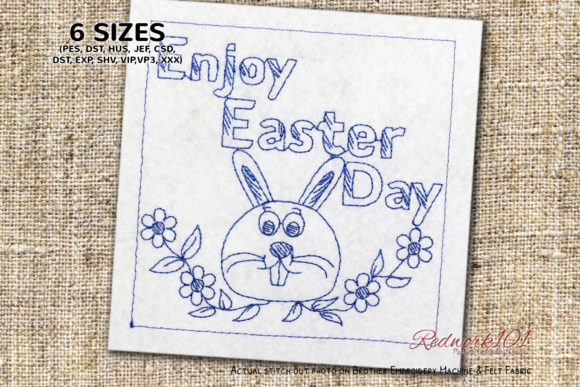
The visual personality of this machine embroidery design leans heavily into the classic "bluework" tradition, utilizing varying shades of blue to create depth without relying on a rainbow of thread colors. For those of us running small shops or managing craft business inventories, this is a massive win. Limiting the color palette means fewer thread changes, less waste, and a faster turnaround time per unit. The layout suggests a balanced composition where the lettering and graphical elements coexist without fighting for dominance. It feels intentional, suggesting that the original digitizer understood how thread behaves under tension, not just how pixels look on a monitor.
Putting the Design to the Test: A Real-World Scenario
To truly evaluate the potential of Enjoy Easter Day Bluework, I imagined a specific project scenario: a custom order for a local boutique needing a run of limited-edition spring tote bags. These aren't your standard grocery totes; they are heavy canvas meant for carrying farmers' market finds and serving as a stylish accessory. When I visualize this design stitched onto a natural or off-white canvas, the blue tones pop with a crisp, nautical elegance. It transforms a simple bag into a handmade product that feels curated and high-end.
However, the real test is how it performs on different substrates. If I were to apply this to a sweatshirt embroidery project, say a heather grey fleece hoodie, the design holds up remarkably well. The density appears sufficient to cover the texture of the fleece without sinking in, yet it doesn't look so dense that it creates a stiff, cardboard-like patch on the chest area. For baby embroidery items, such as a soft cotton onesie or a nursery blanket, the smooth lines and lack of aggressive satin borders make it gentle against sensitive skin. It is versatile enough to bridge the gap between adult apparel and children's wear, which expands its utility for any Etsy seller looking to maximize their design assets.
Navigating Fabric Challenges and Stitch Density
While the design is robust, practical experience dictates that we must approach certain fabrics with caution. If you are planning to stitch this on a textured fabric like a waffle knit or a heavy linen, you need to pay close attention to the finer details. The "bluework" style often relies on subtle shifts in tone created by stitch direction. On highly textured surfaces, these nuances can get lost. I recommend using a cut-away stabilizer rather than tear-away for this specific design if you are working with stretchy knits or loose weaves. This ensures the finished product maintains its shape after multiple washes, preserving the integrity of the lettering and graphical elements.
Another consideration is the hoop size. While the exact dimensions aren't listed in the brief description, designs with this level of detail often benefit from a medium to large hoop to ensure the machine has enough room to maneuver without excessive jumping. If you are attempting to resize this embroidery file down for a cap or a small pocket logo, proceed with care. Shrinking it too much could cause the tiny text or intricate fill areas to merge, resulting in a muddy mess of thread. Always test a sample on scrap fabric identical to your final material before committing to a full production run.
Commercial Viability and Brand Consistency
For commercial embroidery professionals, the value of a design lies not just in how it looks, but in how it sells. Enjoy Easter Day Bluework has a timeless quality that avoids the trap of looking dated next year. This longevity is crucial for building a catalog of design assets that generate revenue over multiple seasons. Whether you are creating printable mockups for your online store or stitching actual samples for a craft fair, this design projects professionalism. It tells the customer that you care about aesthetics and quality.
The description notes that the box stitch shown in promotional images is optional and that the outer box color may vary. This is a critical detail for brand consistency. If you are selling this as part of a cohesive collection, you need to decide early on whether to include the border. Including it can frame the design nicely on a tote bag design or a pillow cover, giving it a badge-like appearance. Excluding it might offer a more organic, floating look that works better on apparel. As the creator of the final item, you have the control to adapt the digital embroidery file to fit your specific brand voice, but you must verify the file layers or editing capabilities before purchasing.
Final Thoughts on Execution and Licensing
Before launching into production, there are a few housekeeping items every responsible maker should address. First, check the license terms explicitly. Just because a design is beautiful doesn't mean it is cleared for unlimited commercial use. Ensure you understand the restrictions regarding resale of the digital file versus the sale of the physical small shop product. Second, consider your thread chart. While the design is titled "Bluework," the specific shades required to replicate the preview image might need adjustment based on your available inventory. Testing the contrast on both light and dark backgrounds is essential; a mid-tone blue that looks great on white canvas might disappear entirely on a navy sweatshirt.
In conclusion, Enjoy Easter Day Bluework stands out as a thoughtful, versatile addition to any embroiderer's library. It balances artistic flair with practical stitch engineering, making it suitable for everything from personalized gifts to boutique merchandise. It invites the maker to focus on the quality of the execution rather than fighting the design itself. By respecting the fabric choices, stabilizer needs, and sizing limitations, you can turn this digital asset into a tangible product that delights customers and enhances your reputation as a skilled artisan. It is a reminder that sometimes, the most effective holiday designs are the ones that whisper rather than shout.