Easter Tree with Eggs Redwork: A Designer's Review
As an embroidery designer constantly scouting for designs that elevate boutique apparel, I recently took a close look at the Easter Tree with Eggs Redwork available on Creative Fabrica. When you are curating a seasonal collection for a small clothing brand or an Etsy shop, the difference between a generic design and a premium asset often lies in the versatility and the "stitching mood" of the file. This review breaks down how this specific machine embroidery design performs when translated from a digital embroidery file to actual wearable art, specifically focusing on sweatshirts, hoodies, and lifestyle products.
Visual Personality and First Impressions
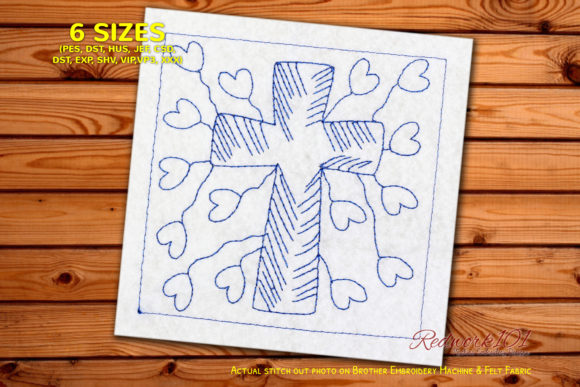
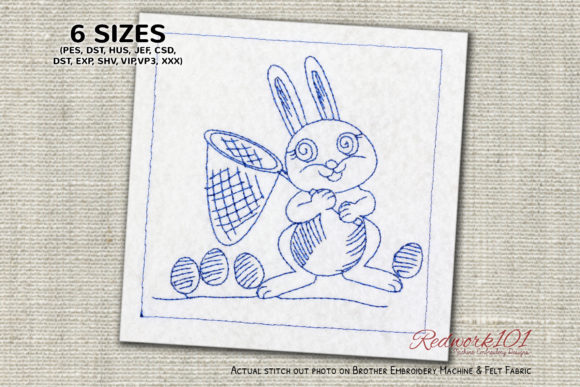
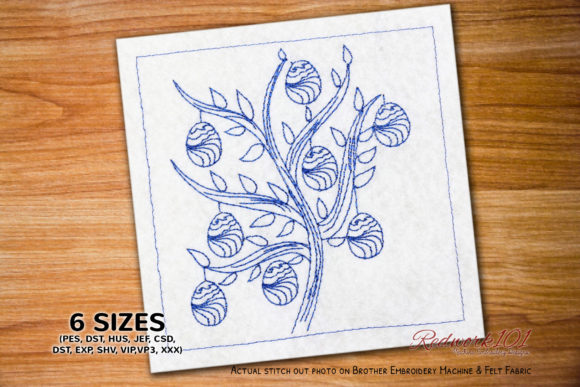
The first thing that strikes me about the Easter Tree with Eggs Redwork is its clean, graphic quality. Redwork, by definition, relies on a single thread color to create high-contrast line art, and this design captures that rustic yet playful aesthetic perfectly. It feels less like a childish cartoon and more like a modern, minimalist illustration suitable for a boutique brand targeting young adults or families who appreciate handmade products with a vintage twist.
The visual personality here is undeniably cute but grounded. It avoids the overly dense satin stitches that can make Easter designs look bulky or dated. Instead, the line work suggests a hand-drawn feel, which aligns beautifully with current trends in oversized garments and cozy seasonal outfits. For a designer planning a spring collection, this offers a decorative strength that works equally well on neutral sweatshirts as it does on pastel hoodies. The simplicity of the redwork style ensures that the design remains legible and impactful even when scaled down for a small chest placement or expanded for a large back design.
Ideal Applications for Apparel Decorators
When imagining this design on actual inventory, the potential applications are vast. For sweatshirt embroidery, this design shines on French terry or heavy cotton blends. The open nature of the redwork stitching allows the fabric texture to breathe, preventing the stiff, cardboard-like feel that sometimes plagues dense holiday designs. I can easily envision this centered on the chest of a cream-colored hoodie, creating a subtle focal point that says "spring" without screaming it.
Beyond standard chest logos, the Easter Tree with Eggs Redwork is an excellent candidate for sleeve accents. Placing a smaller version of the tree on the forearm of an oversized tee adds that custom apparel touch that justifies a higher price point for your small shop product. For tote bags, which are huge sellers during the Easter season, the single-color execution means you can match the thread to the bag material for a tonal look or use a contrasting color for a bold statement. This flexibility is crucial for commercial embroidery where you need to adapt one asset across multiple product lines.
For those creating printable mockups or social media graphics to promote their finished product, the clean lines of this design photograph exceptionally well. It provides clear definition in lifestyle product photos, ensuring that your Etsy listings stand out in a crowded marketplace. The design supports a professional presentation, helping to build buyer trust through visual consistency across your brand's offerings.
Navigating Fabric Challenges and Placement
While the design is versatile, an experienced eye knows that not all fabrics play nice with every stitch pattern. When working with stretchy fabric like ribbed cuffs or collars, caution is required. Even though redwork is generally lighter on the fabric, placing any embroidery on highly elastic areas can lead to distortion over time. I recommend avoiding the ribbed hem of a sweatshirt for this specific design unless you are using a very stable backing.
For dark garments, the contrast is your friend, but you must be mindful of thread colors. A traditional red thread on a navy or black hoodie looks classic, but if you are aiming for a softer, feminine look on a charcoal garment, consider using a muted rust or even a soft pink to maintain the redwork spirit while adjusting the mood. When dealing with fleece or thick loopback cotton, the key is the stabilizer choice. Because the design consists of running stitches, using a cut-away stabilizer is often safer than tear-away to prevent the stitches from sinking into the pile of the fabric, which could obscure the delicate details of the eggs and branches.
Curved surfaces, such as the shoulder area of a raglan tee, also require careful hooping. The Easter Tree with Eggs Redwork has a vertical orientation that generally works well on flat planes, but if you attempt to place it on a curved seam, you risk puckering. Always test on scrap fabric that matches your production material before committing to your full run.
Enhancing Brand Identity and Value
Incorporating a well-chosen design like this directly affects your apparel value. Customers today are savvy; they can tell the difference between a mass-printed transfer and genuine machine embroidery. By using a high-quality embroidery file from a reputable source like Creative Fabrica, you signal quality craftsmanship. This builds brand identity and fosters customer engagement. When a buyer sees the texture and dimension of the stitching in person, it reinforces the perception of a premium handmade product.
Furthermore, the optional nature of the box stitch mentioned in the product description offers a unique opportunity for customization. The description notes that the outer box color is often different or can be skipped entirely. This allows you, the decorator, to make executive design decisions. Skipping the box creates a floating, organic look that feels very trendy and modern, while keeping it frames the design for a more traditional, patch-like appearance. This level of control helps you tailor the final look to your specific target audience, whether they prefer minimal aesthetics or classic holiday motifs.
Practical Notes for Production
Before launching this design into your production queue, there are several technical steps to verify to ensure a flawless finished product:
- Confirm Hoop Size: The product description does not explicitly state the hoop size or stitch count. You must download the preview or check the detailed specs on the Creative Fabrica page to ensure the design fits your intended placement area, especially for smaller items like children's tees.
- Stabilizer Selection: Given the linear nature of redwork, pair this with a medium-weight cut-away stabilizer for knits and a tear-away for woven tote bags to balance stability with softness.
- Thread Contrast: Test your thread colors against your specific garment shades. What looks good on screen may need adjustment in real life, particularly on dark apparel where shine and sheen affect visibility.
- Licensing Verification: Always review the license terms on the product page before selling finished apparel. Ensure that the license covers commercial use for physical goods, as terms can vary between designers on the platform.
- Density Check: Inspect the stitch density in your embroidery software. If the lines are too sparse, they may not cover the fabric well; if too dense, they might cause puckering on lightweight t-shirts.
In conclusion, the Easter Tree with Eggs Redwork is a strong contender for any spring collection. Its adaptability across different garment types, from cozy hoodies to structured denim jackets, makes it a valuable asset for creative entrepreneurs. By paying attention to fabric compatibility and leveraging the clean aesthetic of redwork, you can create a line of custom apparel that feels both festive and fashion-forward. Just remember to validate the technical specifications like file formats and dimensions before you start stitching, ensuring your professional presentation matches the quality of your design choices.