Easter Delight Eggs 3: A Designer's Review for Spring Projects
As we approach the spring season, the demand for fresh, seasonal embroidery project ideas skyrockets. Whether you are running a busy craft business, managing an Etsy shop, or simply creating personalized gifts for family, the pressure to deliver high-quality work is always present. Recently, I had the opportunity to evaluate Easter Delight Eggs 3, a design that promises to bring a festive touch to various textiles. After reviewing the file details and simulating its application on different materials, here is my practical assessment of how this design performs in real-world scenarios.
First Impressions and Visual Personality
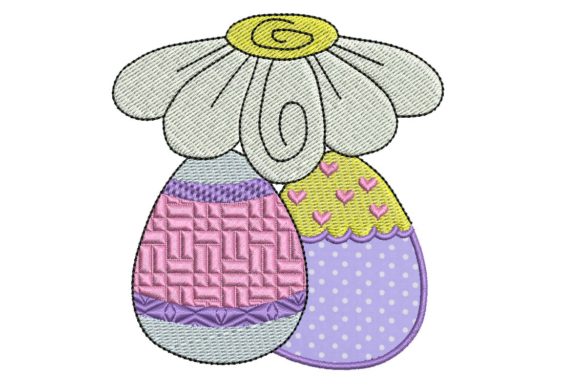
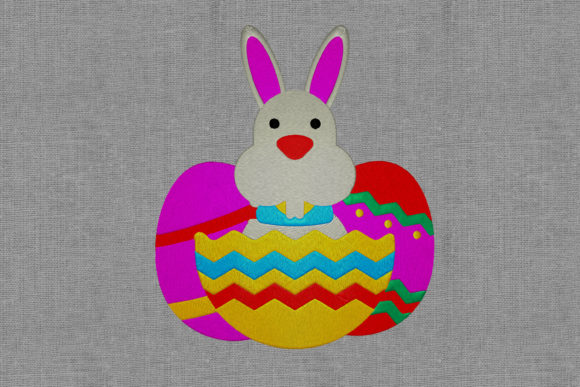
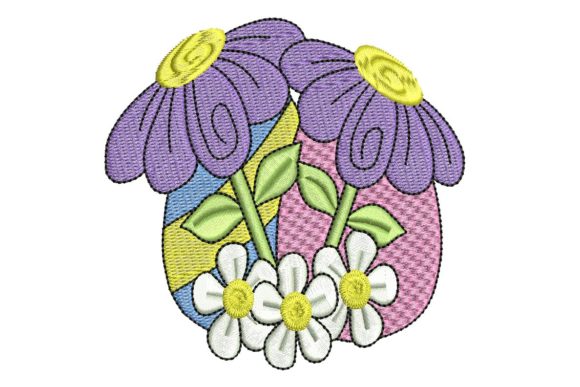
The first thing that stands out about Easter Delight Eggs 3 is its cheerful and inviting mood. The layout captures the essence of the holiday without feeling cluttered or overly complex. In the world of machine embroidery design, simplicity often translates to better stitch-out results, and this file seems to respect that balance. The shapes are distinct, suggesting a clean finish that would appeal to customers looking for boutique-quality items.
Visually, the design feels versatile. It possesses a playful character that fits naturally into the nursery decor market but maintains enough structure to look professional on adult custom apparel. When I imagine this stitched out, I see it working beautifully as a focal point on a pocket or as a subtle accent on a larger garment. The visual personality is soft yet defined, making it an excellent candidate for those who want to avoid the "cheap" look that sometimes plagues low-resolution digital files.
Real-World Application Scenarios
To truly understand the value of an embroidery file, you have to move beyond the screen and think about the finished product. I envision using Easter Delight Eggs 3 for a specific client request: a set of matching sibling t-shirts for an Easter egg hunt. The design's scale appears appropriate for children's wear, offering enough detail to be interesting without overwhelming a small chest area.
Beyond apparel, this design shines in the realm of home goods. Imagine a set of kitchen tea towels or a decorative pillow cover featuring this motif. The theme aligns perfectly with spring refreshes, and the aesthetic suggests a handmade product that adds warmth to a home. For Etsy sellers and small shop owners, this could be a key asset in a limited-edition spring collection. It also holds potential as an embroidered patch; if digitized with a merrow border or applied to a twill backing, it could become a collectible item for seasonal branding.
For those creating printable mockups to sell digital assets or preview physical goods, the clarity of the design elements allows for compelling marketing images. A well-lit photo of this design on a textured linen tote bag could drive significant engagement on social media, showcasing the tactile quality of the stitches.
Technical Considerations and Fabric Compatibility
While the design is promising, practical execution requires attention to detail. The description notes that it looks great on baby bibs, cloths, and T-shirts, which implies a certain level of adaptability. However, as a designer, I advise caution when selecting your substrate.
- Fabric Texture: On smooth cotton or polyester blends, the lines will likely appear crisp. However, on highly textured fabrics like heavy terrycloth or rough linen, some of the finer details might get lost. Always test on a scrap piece first.
- Stretchy Materials: If you are applying this to a stretchy knit for a sweatshirt or baby onesie, proper stabilization is non-negotiable. Without a cut-away stabilizer, the design may pucker over time, ruining the professional look.
- Dark Fabrics: The visual impact relies heavily on thread colors. On dark garments, ensure you have a solid underlay or plan to use lighter, vibrant threads to maintain contrast. A lack of contrast can make the design disappear, reducing its value as a decorative element.
- Small Hoop Sizes: If you are working with a 4x4 hoop, verify the dimensions of the design before purchasing. Crowding the edges of the hoop can lead to framing issues and distorted stitches.
Additionally, be mindful of dense stitch areas. If the design utilizes significant fill stitch work, it may add stiffness to lightweight fabrics like baby bibs. In such cases, a softer backing or a modification to the stitch density might be necessary to ensure comfort against a baby's skin.
Enhancing Brand Value and Customer Trust
In the competitive landscape of commercial embroidery, the quality of your design assets directly influences customer trust. Using a well-balanced design like Easter Delight Eggs 3 signals professionalism. Customers can often tell the difference between a sloppy, pixelated stitch-out and a clean, intentional design. By choosing files that offer clear definition and appropriate complexity, you elevate your brand consistency.
This design has the potential to boost buyer engagement, particularly when used in personalized gift contexts. Adding a name or date alongside the eggs (if space permits and the license allows) creates a unique keepsake. For holiday embroidery collections, having a reliable go-to design reduces production stress and ensures you can meet tight deadlines without compromising on quality.
Practical Notes for Designers and Makers
Before committing to a full production run or listing this as a new item in your shop, consider these final checks:
- Test Stitch-Out: Never skip the step of stitching the design on a scrap of the actual fabric you intend to use. This reveals issues with tension, registration, and fabric pull.
- Thread Contrast: Experiment with different thread palettes. While pastels are traditional for Easter, bold primary colors might offer a modern twist that stands out in a crowded marketplace.
- Licensing Verification: Always confirm the licensing terms provided by the seller. Ensure you are cleared for commercial use if you plan to sell the small shop product or finished items. Do not assume digital files are free for resale unless explicitly stated.
- File Formats: Check that the download includes the specific format compatible with your machine (e.g., PES, DST, EXP). Missing formats can halt production immediately.
- Washability: Consider the end-user. If this is for a child's item that will be washed frequently, ensure the stitch count and density can withstand laundering without fraying or fading.
In conclusion, Easter Delight Eggs 3 presents itself as a solid choice for spring-themed projects. Its strength lies in its adaptability across various mediums, from sweatshirt embroidery to delicate baby accessories. By approaching the project with a critical eye toward fabric choice and stabilization, designers can leverage this asset to create beautiful, profitable, and memorable products. It is a reminder that the right design, executed with care, remains the cornerstone of successful handmade entrepreneurship.