Easter Delight Eggs Applique 1: A Designer's Review
As a designer who spends more time at the hoop than away from it, I approach every new machine embroidery design with a critical eye. It is not enough for a file to look cute on a screen; it must translate flawlessly into thread, withstand washing, and elevate the final product. When I first loaded Easter Delight Eggs Applique 1 into my software, my immediate impression was one of cheerful simplicity. This isn't a design trying to overwhelm the viewer with complex shading or excessive detail. Instead, it relies on the classic charm of appliqué to create a festive mood that feels perfectly suited for the season.
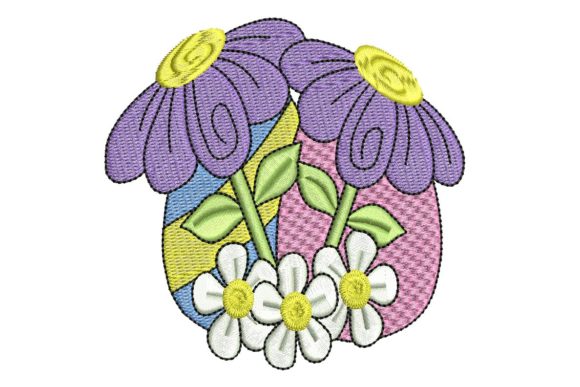
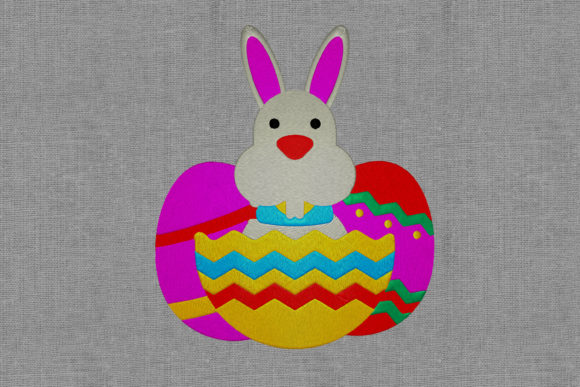
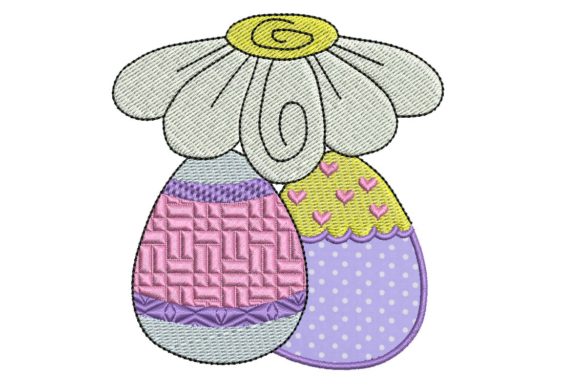
The visual personality of this applique design is soft and inviting. The layout suggests a playful arrangement that works well as a focal point without dominating the entire garment. For those of us running a craft business or selling on Etsy, finding designs that balance visual appeal with stitching efficiency is crucial. This design appears to hit that sweet spot, offering a handmade aesthetic that customers love while keeping machine run times reasonable.
Real-World Application: The Spring Collection Test
To truly evaluate Easter Delight Eggs Applique 1, I imagined a specific real-life scenario: preparing a limited run of custom tote bags and baby bibs for a local boutique's spring collection. The goal was to create items that felt premium yet accessible. I visualized placing this design on a natural canvas tote bag. The contrast between the textured fabric and the smooth, colorful threads of the eggs would likely create a delightful tactile experience.
In this context, the design shines as a personalized gift option. Imagine monogramming the center of one of the eggs or placing the design alongside a child's name on a sweatshirt embroidery project. The open spaces within the egg shapes provide excellent opportunities for customization, which is a huge selling point for Etsy sellers and small shop product creators. Customers are always looking for that extra touch of uniqueness, and this design facilitates that effortlessly.
When considering baby embroidery, the softness of the appliqué technique is a major advantage. Unlike dense fill stitches that can feel stiff or scratchy against sensitive skin, an appliqué approach layers fabric, resulting in a softer hand feel. This makes Easter Delight Eggs Applique 1 an ideal candidate for onesies, burp cloths, and nursery decor where comfort is paramount.
Technical Performance and Stitching Clarity
From a technical standpoint, the success of any embroidery project depends on how the stitches interact with the material. While the specific stitch count and file formats for Easter Delight Eggs Applique 1 should be verified in the product details before purchase, we can anticipate certain behaviors based on its style. Appliqué designs typically utilize a combination of running stitch for placement, a tack-down stitch, and a finishing satin stitch or wide zigzag to cover the raw edges.
This structure generally ensures high stitching clarity. The defined edges of the eggs should pop against the background fabric, provided there is sufficient contrast. However, stitch density is something to watch. If the satin columns are too wide without proper underlay, they might gap on stretchy fabrics. Conversely, if they are too dense, they could cause puckering. This is why testing on scrap fabric is non-negotiable.
For commercial embroidery projects, consistency is key. You need to know that the hundredth item you stitch looks just as good as the first. Designs like this, which rely on shape and color rather than intricate micro-details, tend to be more forgiving and consistent across different machines and operators. This reliability builds customer trust and enhances your brand consistency.
Material Considerations and Potential Pitfalls
While Easter Delight Eggs Applique 1 is versatile, it is not universal. There are specific scenarios where caution is required. For instance, using this on textured fabrics like heavy tweed or looped towels might obscure the fine details of the outline. Similarly, on very thin fabric or highly stretchy fabric like jersey knit, the weight of the appliqué layers could cause distortion if the wrong stabilizer is used.
If you plan to use this on curved surfaces like caps, be mindful of the hoop size and the design's dimensions. Large, flat appliqué areas do not always conform well to tight curves without wrinkling. It is often better to reserve this design for flatter surfaces like tote bag design applications, pillow covers, or the chest area of a t-shirt.
Another consideration is dark fabric. If the design includes light-colored threads or fabrics for the eggs, they may require a white underlay or a specific backing to prevent the dark garment color from showing through and dulling the vibrancy. Always test your thread colors against your chosen background to ensure the visual impact remains strong.
Enhancing Value and Buyer Engagement
In the world of digital embroidery file sales and handmade goods, presentation is everything. A design like Easter Delight Eggs Applique 1 has high "giftability." It instantly communicates thoughtfulness and effort. When potential buyers see a finished product featuring this design, whether in a printable mockup or a physical finished product, they associate it with quality and care.
For creative entrepreneurs, this translates to higher perceived value. You aren't just selling a shirt; you are selling a piece of holiday cheer. The professional finish of a well-executed appliqué can justify a higher price point compared to simple line art. It signals to the buyer that this is a handmade product crafted with attention to detail.
Furthermore, the versatility of the design allows it to fit into various marketing narratives. It works for holiday embroidery campaigns, spring refresh collections, and even as part of a broader series of seasonal design assets. Its ability to adapt to different color palettes means you can create multiple variations of the same product to appeal to different customer segments without needing entirely new designs.
Final Verdict and Designer Notes
Before committing Easter Delight Eggs Applique 1 to a client order or a large production run, here are my practical recommendations:
- Test First: Always stitch a sample on the exact fabric you intend to use. Check for puckering, registration issues, and thread breaks.
- Check Contrast: Ensure your chosen fabric and thread colors provide enough contrast for the design elements to be clearly visible.
- Review Density: Inspect the stitch density settings in your software. Adjust if necessary for delicate fabrics.
- Confirm Hoop Size: Verify that the design fits comfortably within your available hoop size, leaving room for clamping.
- Inspect Details: Look closely at the corners and small details in the preview to ensure they will stitch out cleanly.
- Mockup Testing: Create black and white mockups to see how the design holds up without color reliance.
- Stabilizer Choice: Select the appropriate stabilizer (cut-away for knits, tear-away for wovens) to support the appliqué layers.
- Licensing: Crucially, confirm the licensing terms. Ensure you have the right to use the embroidery file for both personal projects and commercial sales if you plan to sell the finished items.
In conclusion, Easter Delight Eggs Applique 1 offers a charming and practical solution for spring-themed projects. Its strength lies in its adaptability and the professional finish that appliqué provides. Whether you are decorating custom apparel, creating an embroidered patch, or crafting a special holiday gift, this design has the potential to be a standout element in your portfolio. Just remember that the magic happens in the execution—proper preparation and material selection will ensure your final results are as delightful as the design itself.