Review: Praying Child Angel Lineart for Real Projects
As a designer who spends more time staring at stitch previews than actual fabric, I approach every new machine embroidery design with a mix of hope and skepticism. We have all been there: you download a file that looks perfect on the screen, only to find it turns into a bird's nest of thread breaks and puckering once it hits the hoop. Today, I am taking a close look at the Praying Child Angel Lineart. This isn't just a quick glance at a thumbnail; this is an evaluation of how this specific design holds up when you are trying to create a sellable, durable, and beautiful finished product for a client or your own craft business.
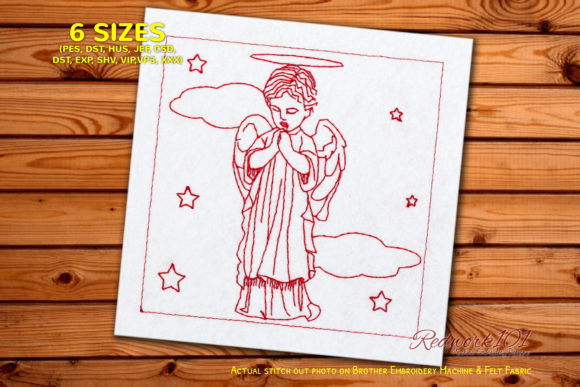
The first thing that strikes me about this design is its mood. In a world of overly complex, dense fills, there is something refreshing about the simplicity found here. It fits squarely within the Fairy Tales category but avoids the cartoonish exaggeration often seen in children's motifs. Instead, it offers a serene, almost reverent quality that makes it incredibly versatile. The line work suggests a delicate balance between a running stitch outline and potential satin stitch accents, which is crucial for maintaining clarity. For an Etsy seller or boutique owner, this visual personality is gold. It speaks to customers looking for meaningful, gentle aesthetics rather than loud, flashy graphics.
Putting the Design to the Test: A Real-World Scenario
To truly understand the value of this embroidery file, I imagined a specific project scenario. Let's say a customer approaches you for a custom baptism gift or a special "church day" outfit for their toddler. They want something elegant but not overly formal. This is where the Praying Child Angel Lineart shines. I visualized placing this design on a high-quality linen tote bag or a soft, organic cotton sweatshirt.
On a tote bag, the open nature of the line art allows the texture of the fabric to peek through, creating a sophisticated, hand-drawn look. It doesn't overwhelm the canvas. If you were to use this for sweatshirt embroidery, the design's lack of heavy density means it won't make the garment stiff or uncomfortable against a child's skin. This is a critical consideration for baby embroidery projects. Parents are increasingly conscious of comfort, and a design that breathes with the fabric is always a better seller than one that creates a plastic-like shield of thread.
However, we must talk about the execution. The product description notes that the stitch box shown in pictures is optional and colors may vary. This is a vital detail for us as creators. When you are preparing this for a custom apparel order, you cannot rely on the preview image alone. You need to verify the thread colors in your specific software. Does the design rely on subtle shading that might get lost if you only have standard polyester threads? My advice is to run a test stitch-out on scrap fabric that matches your final material. Check the stitch density. If the lines are too close together, they might merge on plush fabrics like towels or fleece, turning your angel into a blurry blob.
Navigating Fabric Challenges and Hoop Constraints
Every experienced embroiderer knows that the fabric dictates the success of the embroidery project. With a design as delicate as this, fabric choice is paramount. While it looks stunning on stable wovens like denim or twill, you need to be cautious with stretchy knits or textured surfaces like terri cloth. Without the right stabilizer, those fine lines can distort. I recommend using a cut-away stabilizer for garments that will be washed frequently, ensuring the design retains its shape over time. For a one-off personalized gift like a wall hanging, tear-away might suffice, but for commercial items intended for daily wear, durability is non-negotiable.
Another practical consideration is the hoop size. Although exact dimensions aren't provided in the base description, line art designs often come in multiple sizes. If you are aiming to create an embroidered patch or a small pocket detail on a cap, you need to ensure the smallest details of the angel's wings or hands do not disappear when scaled down. Tiny, intricate corners are the first to suffer when a design is resized beyond its recommended limits. Always check the minimum stitch length in your digitizing software before committing to a small hoop size.
Furthermore, consider the surface curvature. If you plan to use this for hat embroidery, remember that the center of the cap is a curved plane. A design with long, straight horizontal lines can sometimes look warped on a cap unless properly compensated during digitizing. Since this is a pre-made file, you may not have the ability to edit the compensation. In such cases, keeping the design slightly smaller and centered carefully is your best bet to avoid registration issues.
Commercial Viability and Brand Consistency
For those of us running a small shop product line or selling design assets, the commercial potential of the Praying Child Angel Lineart is significant. Its neutral theme allows it to transcend specific holidays. While it is described as an addition for church day, making it perfect for holiday embroidery during Easter or Christmas, its gentle aesthetic also works for year-round nursery decor or sympathy gifts. This versatility increases the ROI of the file.
When creating printable mockups for your online store, this design photographs exceptionally well. The clean lines provide high contrast against both light and dark backgrounds, provided you choose your thread colors wisely. A white thread on a navy blue hoodie creates a striking, premium look that can justify a higher price point. Conversely, using variegated threads could add a unique, artistic flair that sets your handmade product apart from mass-produced items.
It is also worth noting the importance of licensing. Before listing finished items on Etsy or using this in a client's commercial embroidery project, you must confirm the license terms. Some designers allow unlimited sales of finished physical goods but restrict the resale of the digital file itself. Ensuring you are compliant protects your business reputation and builds trust with your buyers.
Final Thoughts on Execution
In conclusion, the Praying Child Angel Lineart is a thoughtful addition to any designer's library. It bridges the gap between whimsical Fairy Tales themes and serious, respectful Embroidery art. Its success in your hands will depend on your attention to detail: selecting the right stabilizer, testing on similar fabrics, and respecting the limitations of the stitch count. Whether you are stitching a single tote bag design for a friend or producing a run of boutique shirts, this file offers the clarity and charm needed to create something truly special. Just remember, the magic happens not in the download, but in the careful preparation and stitching that follows.