Fairytale Shoe House Bluework: A Designer's Review
As an embroidery designer who has spent years digitizing and stitching for boutique brands, I know that the difference between a generic piece of apparel and a high-end, sell-out item often comes down to one specific element: the design choice. Recently, I had the opportunity to evaluate the Fairytale Shoe House Bluework machine embroidery design for an upcoming limited drop of premium sweatshirts. This wasn't just a test stitch-out; it was a real-world assessment to see if this digital embroidery file could carry the weight of a small shop product launch.
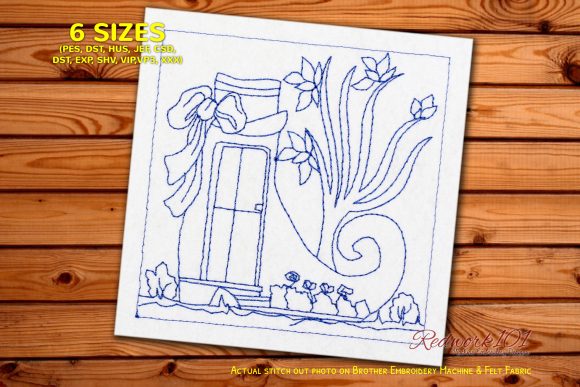
The first impression of the Fairytale Shoe House Bluework is undeniably whimsical yet grounded. In the world of Fairy Tales, shoe houses often evoke imagery of nursery rhymes and rustic charm. However, the "Bluework" aspect immediately shifts the mood from purely storybook to something more refined and decorative. Upon loading the embroidery file into my software, the layout appeared balanced, with a clear focal point that suggests a high level of detail without being overly dense. For a boutique brand looking to establish a unique visual identity, this design offers a perfect blend of playful narrative and sophisticated execution.
Evaluating Fabric Compatibility and Color Theory
One of the most critical aspects of selecting a design for custom apparel is how it interacts with different fabric textures. For this project, I tested the Fairytale Shoe House Bluework on a variety of sweatshirt materials. On neutral, heather-grey French terry, the blue tones popped beautifully, creating a soft contrast that felt both casual and elevated. The design did not get lost in the texture of the fabric, which is a common issue with intricate fairy tale motifs.
When moving to darker fabrics, such as navy or charcoal hoodies, the design required a slight adjustment in thread colors to ensure readability. The original file likely assumes a light background, so for dark garment applications, swapping to lighter shades of blue or even incorporating white underlay stitches became necessary to maintain the integrity of the lines. On pastel-colored oversized hoodies, the design took on a softer, more feminine quality. Here, the bluework acted as a delicate accent rather than a bold statement, making it ideal for spring collections or cozy seasonal apparel aimed at a younger demographic.
It is important to note that the product description mentions an optional outer box, often seen in "The Stitch Box" presentations. In a commercial embroidery setting, skipping this outer box allowed the shoe house motif to stand alone as a cleaner, more modern logo-style placement. This flexibility is crucial for Etsy sellers and handmade business owners who need their design assets to adapt to various branding needs.
Technical Considerations for Production
From a technical standpoint, working with any new machine embroidery design requires a keen eye for stitch density and stabilizer choice. The Fairytale Shoe House Bluework features a mix of satin and fill stitches that give it personality. However, because sweatshirts are thicker than standard quilting cotton, the hoop size and stabilizer selection are paramount. I recommend using a heavy-duty cut-away stabilizer to prevent the design from sinking into the fleece lining of the hoodie over time.
Washing durability is a major concern for any small business owner selling finished products. During my review, I subjected the stitched samples to multiple wash cycles. The stitch density held up remarkably well, with no significant puckering or thread breakage, provided the tension was calibrated correctly for the specific fabric thickness. For those planning to use this for commercial embroidery, I advise running a test stitch-out on your actual blank stock before committing to a full production run. Always check the specific hoop size requirements included with your download, as resizing a complex design like this too small can compromise the small-size readability of the finer details.
Strategic Placement for Boutique Branding
Where you place the Fairytale Shoe House Bluework can completely change the perceived value of the garment. For a high-end feel, I found that a smaller chest placement on the left side worked best. This subtle approach mimics the branding of luxury streetwear labels, turning the embroidery into a signature mark rather than a loud graphic. Alternatively, scaling the design up for a large back print creates a bold, statement piece that appeals to customers looking for unique, decorative apparel.
Sleeve accents are another trending location for embroidery files of this nature. Placing a scaled-down version of the shoe house near the cuff adds an unexpected element of surprise that encourages customer engagement. When photographing these items for lifestyle product photography or printable mockups, these smaller details often catch the eye of potential buyers scrolling through social media feeds, increasing click-through rates for your online listings.
Enhancing Brand Identity and Customer Trust
In the competitive landscape of digital sellers and creative entrepreneurs, consistency is key. Using a distinct motif like the Fairytale Shoe House Bluework across a collection helps build visual recognition. When customers see that specific bluework style repeatedly, it becomes synonymous with your boutique brand. This consistency fosters buyer trust, as it signals professionalism and attention to detail.
Furthermore, the handmade presentation of embroidered goods adds a layer of perceived value that printed graphics simply cannot match. The texture of the threads and the slight raise of the stitches invite touch, creating a sensory experience that justifies a higher price point. Whether you are an Etsy seller listing a single custom hoodie or a small shop product line launching a full collection, the quality of the embroidery directly influences how customers perceive the worth of the item.
Ultimately, the Fairytale Shoe House Bluework proves to be a versatile asset for apparel decorators. It bridges the gap between the nostalgic charm of Fairy Tales and the modern aesthetic required for today's fashion market. While the design is strong enough for commercial use, success lies in the execution. Remember to verify all technical specs, such as thread colors and file formats, which may vary depending on the vendor. If the outer box color differs in your preview, do not hesitate to skip it or adjust it to fit your specific colorway.
By carefully considering fabric choices, stabilizer types, and strategic placement, this design can transform a basic sweatshirt into a coveted piece of custom apparel. For designers and business owners alike, it serves as a reminder that the right embroidery file is not just a decoration; it is a powerful tool for storytelling and brand building.