Jungal Scene Bluework: A Pro Review for Branded Merch
As an embroidery designer who has spent years digitizing and testing files for small business clients, I approach every new machine embroidery design with a critical eye. It is not just about whether a pattern looks pretty on a screen; it is about how it performs when stitched onto a cap, an apron, or a tote bag that represents a brand. Today, I am reviewing the Jungal Scene Bluework, a piece from the Forest category that immediately caught my attention for its potential in commercial applications.
My first impression of Jungal Scene Bluework is that it strikes a delicate balance between rustic charm and professional elegance. The "Bluework" designation suggests a monochromatic or limited palette, which is often a smart move for brand consistency. In the world of small business merch, having a design that does not require ten different thread spools can save time and reduce production errors. The aesthetic feels handmade yet refined, making it suitable for boutique owners, florists, bakeries, and creative studios looking to elevate their brand identity without appearing overly corporate.
Real-World Application for Small Businesses
When considering where to deploy this digital embroidery file, the possibilities for custom apparel and accessories are vast. Imagine a local coffee shop wanting to distinguish their baristas. Using Jungal Scene Bluework as an apron embroidery accent adds a touch of nature-inspired sophistication that aligns perfectly with organic or artisanal branding. Unlike loud, multi-colored logos, this design offers a subtle texture that enhances the garment rather than overpowering it.
For retail boutiques and Etsy sellers, this design shines as an embroidered patch. Patches are incredibly popular for adding value to handmade product lines. You could stitch this onto denim jackets, canvas backpacks, or even use it as a branded label on packaging. Because the design leans towards the "Forest" theme, it is particularly effective for businesses selling eco-friendly goods, outdoor gear, or botanical products. The visual narrative tells a story of growth and nature, which resonates deeply with modern consumers who value sustainability.
Another strong use case is cap embroidery. Caps have a curved, structured surface that can be tricky for detailed designs. However, the bluework style typically relies on tonal variation rather than heavy saturation, which often translates well to the front panel of a baseball cap or beanie. It serves as an excellent chest logo accent on work shirts, providing a professional look for staff uniforms at garden centers, pet brands, or craft studios.
Technical Considerations and Production Challenges
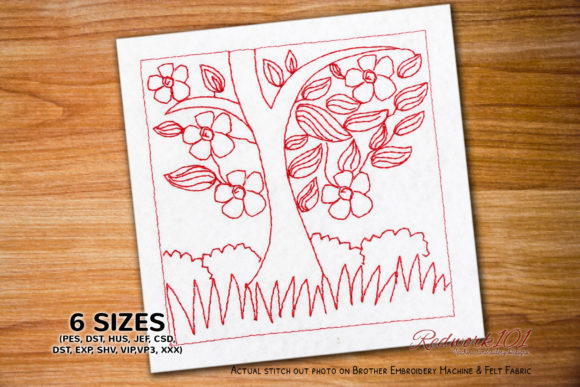
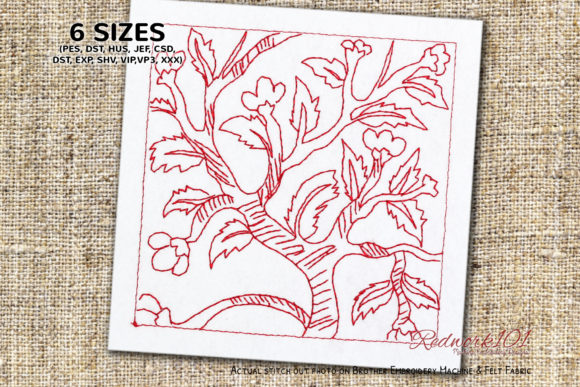
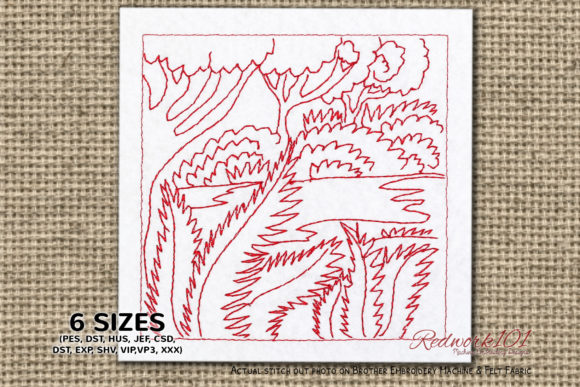
While the artistic merit of Jungal Scene Bluework is high, a professional reviewer must address the technical realities of commercial embroidery. The product description notes that "The Stitch Box shown in the picture is optional" and mentions variations in outer box colors. This is a crucial detail for production planning. Before running a batch of fifty uniforms, you must confirm exactly which elements are included in your specific embroidery file. If the box is not part of the core design, ensure your digitizer or file provider has cleanly trimmed the edges to prevent unwanted stitching.
One area requiring caution is stitch density. Bluework styles often utilize satin stitches or dense fill patterns to create shading effects with a single thread color. On textured fabrics like heavy canvas tote bags or thick twill aprons, this is usually fine. However, if you plan to use this on lightweight performance fabrics or delicate silks for high-end boutique tags, you must test the density first. High density can cause puckering, especially on curved surfaces like cap fronts or sleeve details.
Furthermore, consider the thread colors against your base material. Since this is a blue-themed design, it will pop beautifully on white, cream, or light gray fabrics. But if your client wants this on a navy or black uniform, the contrast might be lost unless you switch to a lighter shade of blue or a metallic thread. Always create a printable mockup or do a physical stitch-out on the actual fabric intended for the finished product. Do not rely solely on the screen image, as thread sheen and fabric texture dramatically alter the final appearance.
Impact on Brand Identity and Customer Trust
In the competitive landscape of small business, perception is everything. Using a cohesive, well-executed design like Jungal Scene Bluework signals professionalism. It tells your customers that you care about the details. When a customer receives a tote bag with a crisp, well-stitched forest scene, they perceive the brand as established and trustworthy. This visual consistency across your design assets—from your website to your physical merchandise—builds recognition.
For handmade brands, the "imperfect" perfection of embroidery adds a human touch that digital printing cannot replicate. It validates the premium nature of the product. If you are selling at craft fairs or through online marketplaces, items featuring this type of intricate Embroidery often command a higher price point because they are viewed as durable, high-quality goods rather than disposable promotional items.
Essential Designer Notes for Success
To ensure the best results with Jungal Scene Bluework, I recommend following these practical steps before full-scale production:
- Test in Black and White First: Convert your preview to grayscale to check if the contrast holds up without relying on color differentiation. This ensures the design works even if thread availability is an issue.
- Verify Hoop Size: The description does not specify exact dimensions. Measure the design against your available hoop size to ensure it fits your machinery, especially if you are working with smaller items like pocket logos or hat bands.
- Check Spacing and Detail: Inspect the tiny details within the jungle scene. If elements are too close together, they may merge when stitched. Ensure there is enough pull compensation for the fabric type you are using.
- Use Proper Stabilizer: Given the potential for dense stitching, select a stabilizer that matches your fabric weight. Cut-away stabilizer is often best for items that will undergo frequent washing, such as staff uniforms or daily-use tote bags.
- Confirm Commercial Licensing: Before selling merchandise featuring this design, verify the license terms. Ensure you have the right to use the digital embroidery file for commercial purposes, especially if the "optional box" or color variations affect the licensing agreement.
- Compare Design Assets: Place this design beside your existing logo and other branding elements. Ensure the style of the jungle scene complements your typography and overall visual language.
In conclusion, Jungal Scene Bluework is a versatile asset for any small business owner or embroidery professional looking to add a touch of natural elegance to their product line. Whether used for tote bag design, staff apparel, or exclusive patches, its success lies in careful preparation. By respecting the technical requirements of fabric texture and stitch execution, you can transform this file into a powerful tool for brand storytelling. Just remember to clarify the specifics regarding the optional stitch box and color variations with your supplier to avoid any surprises during the stitching process. With the right setup, this design can become a staple in your collection of premium branded merchandise.