Red Wild Strawberry: A Designer's Review for Branded Merch
As an embroidery designer who has spent years digitizing and reviewing files for commercial use, I approach every new machine embroidery design with a critical eye. It is not just about whether the image looks pretty on a screen; it is about how that digital embroidery file translates into a tangible asset for a small business. Today, I am reviewing the Red Wild Strawberry, a design rooted in the Food category but possessing a versatility that extends far beyond culinary themes. My goal is to evaluate its potential as a core component of brand identity for boutiques, cafes, and handmade brands.
First Impressions: Rustic Charm Meets Professional Polish
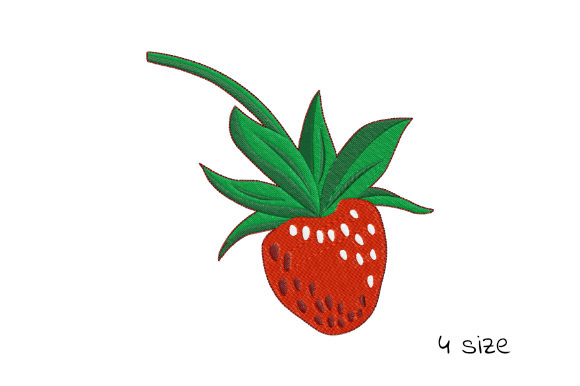
Upon loading the Red Wild Strawberry into my editing software, the immediate impression is one of approachable elegance. The subject matter—wild strawberries—carries heavy symbolic weight, representing love, purity, and family well-being. For a business owner, these are powerful emotional triggers. Visually, the design strikes a balance between rustic and premium. It does not feel overly cartoonish, which often limits the lifespan of a logo, nor is it so hyper-realistic that it becomes impossible to stitch cleanly on textured fabrics.
The color palette suggested by the title implies vibrant reds against natural greens, a combination that screams "fresh" and "organic." This makes it an ideal candidate for businesses wanting to project warmth and authenticity. Whether you are running a floral studio, a pet brand with a natural focus, or a local bakery, this design feels like a handmade product even when produced commercially. It avoids the sterile look of corporate clipart, offering instead a touch of artisanal character that resonates with modern consumers who value craftsmanship.
Real-World Application for Small Business Merch
The true test of any embroidery file is its adaptability across various mediums. In my assessment, the Red Wild Strawberry shines as a versatile tool for small business merch. Here is how I envision it performing in real scenarios:
- Embroidered Patches: This is perhaps the strongest use case. A satin-stitch border around the strawberry could create a durable, peel-and-stick patch perfect for denim jackets or canvas bags. It allows customers to buy into the brand without purchasing a whole new garment.
- Staff Uniforms and Aprons: For a café or boutique, placing this design on the chest of a work shirt or the bib of an apron embroidery project adds instant professionalism. It signals to the customer that the staff takes pride in their appearance and the brand's aesthetic.
- Cap Embroidery: The compact nature of a single fruit motif works exceptionally well on the front panel of a baseball cap. It serves as a subtle brand mark that is recognizable from a distance.
- Tote Bag Design: Canvas totes are staples for markets and events. The Red Wild Strawberry can serve as a central focal point or a repeated pattern along the bottom hem, turning a simple bag into a walking advertisement.
- Product Packaging Accents: Beyond apparel, this design can be stitched onto fabric tags attached to packaging, elevating the unboxing experience and reinforcing the finished product quality.
Strategic Placement and Brand Identity
Integrating the Red Wild Strawberry into your inventory does more than decorate; it builds trust. Consistency is key in brand identity. If a customer sees this same high-quality stitch work on your website, your social media printable mockup, and the actual item they hold in their hands, it creates a cohesive narrative. It tells them that you care about details. For Etsy sellers and crafters, this level of polish distinguishes a hobbyist operation from a serious enterprise. The design acts as a seal of quality, suggesting that if the branding is this thoughtful, the product inside must be equally superior.
Technical Considerations and Potential Pitfalls
While the artistic merit of the Red Wild Strawberry is high, a professional reviewer must address the technical realities of commercial embroidery. There are specific scenarios where caution is required to ensure the design assets perform as expected.
First, consider the stitch density. Fruit designs often rely on gradient fills to show the transition from red to green or to highlight the seeds. If the density is too high, the design may become stiff and prone to puckering, especially on lightweight fabrics like linen or thin cotton tees. Conversely, if the density is too low, the fabric might show through, ruining the vibrancy of the red.
Secondly, size matters. While this design is likely optimized for standard hoop sizes, shrinking it down for a tiny pocket logo or a narrow hat band could result in lost detail. The tiny seeds or leaf veins might merge into a solid blob if the resolution isn't maintained. Furthermore, curved surfaces like the front of a cap require careful hooping and potentially a different underlay strategy to prevent distortion.
Finally, fabric texture plays a crucial role. On highly textured items like terrycloth towels or coarse wool blends, fine outlines may get lost. For dark uniforms, you must ensure the digitizer has included a proper underlay or that you plan to use a white backing to make the red pop, otherwise, the colors may look muted.
Essential Designer Notes for Production
Before committing to a large production run using the Red Wild Strawberry, I strongly advise following these practical steps to mitigate risk and ensure quality:
- Test in Black and White First: Convert the design to monochrome in your software to check the contrast and structure without the distraction of color. This reveals if the shape holds up on its own.
- Verify Small Patch Viability: Stitch a sample at the smallest intended size. Check if the details remain crisp or if they begin to fray.
- Review Thread Color Contrast: Ensure the specific shades of red and green you select provide enough separation. Avoid threads that are too similar in tone.
- Inspect Spacing and Satin Columns: Look closely at the transition between color blocks. Wide gaps can lead to thread breaks or snagging.
- Confirm Hoop Size Compatibility: Double-check that the design fits within your machine's available hoop options without needing to re-hoop mid-design, which can cause alignment issues.
- Test on Real Fabric: Never judge a file solely on the screen. Stitch it on the exact material you intend to sell, whether it is denim, canvas, or jersey knit.
- Use Proper Stabilizer: Match your stabilizer to the fabric weight. A cut-away might be necessary for stretchy fabrics to prevent the strawberry from distorting over time.
- Create a Mockup for Client Approval: If working with a client, generate a realistic printable mockup showing the design on their specific garment to manage expectations.
- Compare Beside Other Assets: Place the stitched sample next to your existing logo or other design assets to ensure visual consistency across your brand.
- Confirm Commercial Licensing: Crucially, verify the license terms associated with the Red Wild Strawberry. Ensure you have the rights to use it for custom apparel and resale before investing in production.
In conclusion, the Red Wild Strawberry offers a compelling blend of symbolism and aesthetic appeal for the modern maker. While it falls under the Food category, its application in Embroidery transcends cuisine, serving as a potent symbol for any brand valuing purity and connection. By respecting the technical limitations and conducting thorough testing, small business owners can leverage this design to create memorable, high-value merchandise that stands out in a crowded marketplace.