Tree Lineart: A Minimalist Embroidery Design Review
As an embroidery designer who spends countless hours testing digital files before they ever touch a customer's fabric, I approach every new machine embroidery design with a critical eye. Recently, I had the opportunity to review Tree Lineart, a piece that immediately caught my attention for its understated elegance. In a market saturated with overly complex and dense patterns, this design offers a breath of fresh air. It sits comfortably within the Forest category but transcends simple nature themes to become a versatile asset for any handmade product line.
My goal in this review is to walk you through how Tree Lineart performs not just as a digital embroidery file, but as a finished component in a personalized gift shop. Whether you are an Etsy seller looking to expand your nursery decor collection or a small business owner creating custom wedding keepsakes, understanding the nuance of this design is crucial for your success.
The First Impression: Mood and Aesthetic Appeal
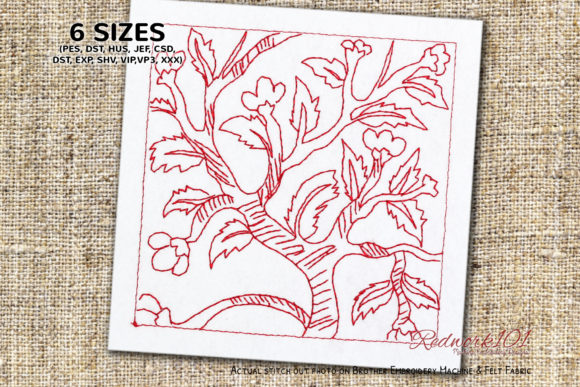
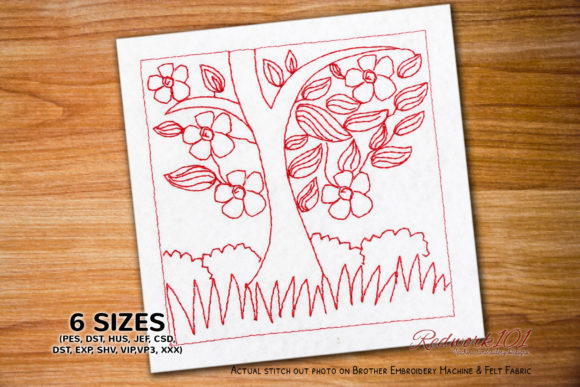
When I first loaded Tree Lineart into my software, the immediate feeling was one of calm sophistication. The line art style suggests a modern, minimalist aesthetic that appeals to contemporary buyers who prefer clean lines over heavy fill stitches. There is a sweetness to it, yet it remains deeply elegant. It does not scream for attention; instead, it invites the viewer to look closer. This emotional connection is vital when selling personalized gifts. Customers today are looking for items that feel thoughtful and curated, and this design delivers that sentiment perfectly.
The charm of Tree Lineart lies in its simplicity. It feels handmade without appearing amateurish. For a wedding gift designer, this is gold. It can be stitched onto linen napkins or silk pillowcases without overwhelming the delicate fabric. For those creating baby embroidery projects, the soft, organic shapes evoke a sense of growth and stability, making it an ideal motif for welcome-to-the-world blankets or nursery wall hangings.
Versatility Across Product Lines
One of the strongest attributes of Tree Lineart is its adaptability. I tested the concept of this design across various potential products, and the results were promising. Here is how I see it fitting into different niches:
- Nursery Decor: Perfect for blanket embroidery on muslin or cotton flannel. The organic theme fits seamlessly with woodland nursery trends.
- Kitchen Linens: An embroidered towel featuring this tree motif adds a touch of rustic charm to a farmhouse kitchen.
- Apparel and Accessories: Imagine this stitched on the pocket of a denim apron or the corner of a canvas tote bag. It elevates a basic item into a small shop product with high perceived value.
- Home Textiles: On a pillow cover, especially in neutral tones, Tree Lineart acts as a subtle focal point that ties a room together.
For custom embroidery orders, this design serves as an excellent base. You can easily pair it with monograms or dates without the composition feeling cluttered. This flexibility makes it a reliable choice for handling rush orders where you need a design that looks professional regardless of the substrate.
Technical Considerations and Fabric Challenges
While the aesthetic is flawless, practical application requires caution. As with any line-based embroidery file, the devil is in the details. When working with Tree Lineart, you must be mindful of the fabric texture. Delicate details can get lost on highly textured towels or thick terry cloth. I recommend avoiding this specific design on looped fabrics unless you use a significant amount of topping to ensure the lines remain crisp.
Furthermore, stretchy baby clothes present a unique challenge. The integrity of the line art depends on stable stitching. If the fabric shifts during the stitch-out, the clean lines of the tree could warp. Always test on scrap fabric that matches your final product. If you are stitching on dark fabric, pay close attention to your thread colors. A light thread on dark material can sometimes show the underlying stabilizer or fabric peeking through if the stitch density is too low. Conversely, on light fabrics, ensure your thread has enough contrast to make the design pop.
Curved surfaces, such as the crown of a hat or the sleeve of a onesie, also require careful hooping. Since Tree Lineart relies on continuous lines, any distortion in the hoop will be immediately visible in the finished product. Always ensure your material is drum-tight before starting the machine.
Enhancing Giftability and Customer Trust
In the world of online selling, particularly for an Etsy seller, product photography is everything. Tree Lineart photographs beautifully. Its clean lines translate well into printable mockup images, allowing you to showcase potential customization options to clients before they even place an order. A clear, crisp image of this design on a high-quality linen towel signals professionalism and builds buyer engagement.
Using this design can significantly boost the perceived value of your finished product. It suggests that the maker cares about subtlety and quality rather than just filling space with thread. This attention to detail fosters customer trust. When a client receives a gift featuring such a refined motif, they recognize the effort and skill involved, reinforcing the emotional connection between the giver, the receiver, and the creator.
Practical Notes for the Professional Maker
Before you commit to using Tree Lineart for a paid client order, there are several steps you must take to ensure commercial viability and quality control:
- Check Licensing: Always confirm commercial embroidery licensing terms before selling finished products. Ensure the file allows for unlimited physical sales.
- Verify Hoop Size: The product description notes that the stitch box shown in pictures is optional. Confirm the actual required hoop size in your machine software to avoid framing issues.
- Select the Right Stabilizer: Given the line-art nature, a cut-away stabilizer is often safer for garments that will be washed frequently, while tear-away might suffice for decorative wall hangings.
- Review Stitch Density: Inspect the file in your editor. If the lines seem too sparse, consider increasing the density slightly to prevent gaps, especially on plush fabrics.
- Test Color Contrast: Create mockups on both light and dark backgrounds. Sometimes a design needs a slight tweak in thread shade to maintain visibility across different materials.
- Inspect Small Details: After your test run, examine the smallest branches or roots of the tree. Ensure there are no bird nests or skipped stitches that could compromise the look.
It is also important to note that specific technical data such as exact stitch count or file formats were not explicitly detailed in the initial product brief. Therefore, it is imperative to download the preview or check the full specification sheet provided by the vendor to ensure compatibility with your specific embroidery machine brand.
Final Thoughts on Tree Lineart
Tree Lineart is more than just a pattern; it is a tool for storytelling. Whether you are crafting a heirloom wedding gift, a cozy baby embroidery project, or a chic home accessory, this design offers the perfect balance of modern style and timeless appeal. By paying attention to fabric choices, stabilizer selection, and stitching techniques, you can transform this digital file into a tangible piece of art that resonates with customers. For the discerning maker, it represents a low-risk, high-reward addition to your library of Forest themed Embroidery designs.