Review: Two Bunnies with Easter Egg Redwork for Apparel
As an embroidery designer who spends most of my days digitizing and stitching for boutique apparel, I am always on the hunt for designs that bridge the gap between playful seasonal charm and professional finish. When I recently browsed the Creative Fabrica embroidery library for my upcoming spring collection, the Two Bunnies with Easter Egg Redwork caught my eye immediately. For small clothing brands and Etsy sellers looking to refresh their inventory without overwhelming their production schedule, this design offers a compelling mix of simplicity and character.
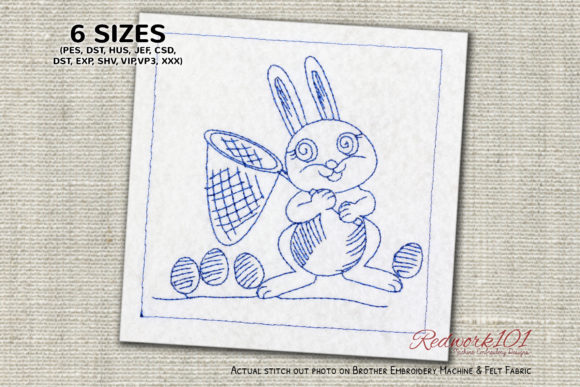
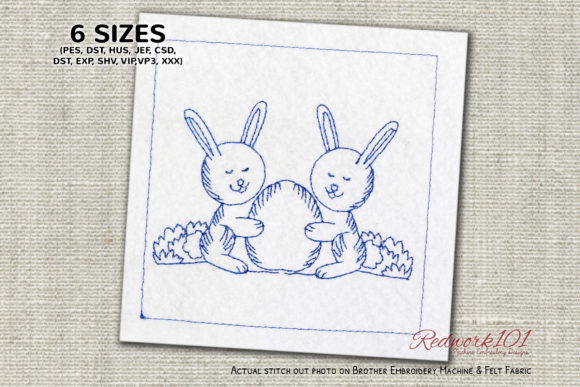
My first impression of the Two Bunnies with Easter Egg Redwork was defined by its clean lines and nostalgic mood. Redwork has a unique ability to feel both rustic and trendy simultaneously, depending on how you style it. This particular file leans heavily into a cute, feminine aesthetic that works beautifully for cozy seasonal outfits. The visual personality is soft yet distinct, making it an excellent candidate for brands that want to convey a handmade, artisanal vibe. Unlike overly dense satin stitch designs that can stiffen lightweight fabrics, this redwork style suggests a lighter touch, which is crucial when working with the varied textures of modern apparel.
Ideal Applications for Boutique Sweatshirts and Hoodies
In planning my latest drop of neutral sweatshirts and pastel hoodies, I evaluated where this design would sit best. For sweatshirt embroidery, the chest placement is the obvious choice, but the scale of the bunnies allows for some creative freedom. On an oversized garment, placing the Two Bunnies with Easter Egg Redwork slightly lower on the torso creates a relaxed, streetwear-inspired look that resonates well with younger demographics. For a more traditional hoodie design, centering it just below the neckline maintains a classic silhouette.
The simplicity of the redwork style makes it exceptionally versatile for different fabric colors. On dark apparel, such as charcoal or navy fleece, using bright white or cream thread creates a striking contrast that pops in lifestyle product photos. Conversely, on light heather grey or blush pink hoodies, using a deep burgundy or forest green thread adds a subtle, sophisticated accent. This adaptability is vital for custom apparel lines where you need to maximize SKU efficiency without sacrificing visual impact.
Beyond the chest, this design is small enough to work as a sleeve accent or a pocket detail on denim jackets. For tote bags, which are perennial bestsellers for handmade product shops, the linear nature of redwork ensures the design remains legible even on canvas textures. The lack of heavy fill stitches means the bag remains flexible and usable, a key factor for customer satisfaction.
Navigating Fabric Textures and Stitch Density
While the design is charming, practical execution requires attention to detail. When dealing with stretchy fabric like cotton-spandex blends used in fitted t-shirts, one must be cautious. Redwork, while generally less dense, still creates a line of tension across the material. If you are applying this to ribbed fabric or areas that will undergo significant stretching, testing on scrap fabric is non-negotiable. You need to ensure the stitches do not pucker or distort the bunny outlines when the garment is worn.
For fleece and thick sweatshirt materials, the choice of stabilizer becomes critical. A cut-away stabilizer is often safer than tear-away for garments that will be washed frequently, ensuring the finished product retains its shape over time. Since the product description notes that the box stitch shown in preview images is optional, you have the flexibility to remove outer borders if they interfere with the drape of the fabric or if you prefer a floating design element. Always inspect the stitch density in your software before loading the embroidery file onto your machine; if the lines are too close together on thick fleece, they may merge, losing the delicate definition of the redwork style.
Elevating Brand Identity and Commercial Value
Integrating the Two Bunnies with Easter Egg Redwork into your catalog can significantly affect your brand identity. Consistency is key for building buyer trust. If your boutique brand focuses on whimsical, story-driven clothing, this design reinforces that narrative perfectly. It adds a layer of professional presentation that separates your items from generic print-on-demand goods. Customers often associate embroidered details with higher quality and longevity, which can justify a higher price point for your small shop product listings.
Furthermore, this design is highly photogenic. For Etsy seller accounts relying on strong visuals, the clean lines of redwork photograph exceptionally well against textured backgrounds like wood or knitted blankets. It translates beautifully into printable mockup templates for social media graphics, allowing you to promote your commercial embroidery products before you even stitch the first sample. The visual consistency of using a cohesive design theme across different garment types—t-shirts, hoodies, and accessories—helps in creating a recognizable collection that drives customer engagement.
Practical Notes for Production and Licensing
Before committing to a full production run, there are several technical checks every designer should perform. First, confirm the hoop size required for the design. While redwork is often compact, ensure your machine's hoop accommodates the full width of the two bunnies and the egg without needing to re-hoop, which can lead to alignment issues. Second, review the thread color contrast carefully. Redwork relies entirely on the single-color outline for its effect; if the thread blends too much with the fabric, the design will vanish. Test multiple thread shades on your actual garment fabric to find the perfect balance.
It is also important to address the specific details provided in the product description regarding the optional box stitch. The note mentions that the color of the outer box varies in previews and can be skipped. In a digital embroidery file, this usually means the box is a separate color stop or object. You should verify this in your editing software to ensure you can easily isolate and delete it if your design concept calls for a borderless look. Additionally, since specific stitch counts and license terms were not explicitly detailed in the brief overview, I strongly advise visiting the Creative Fabrica product page to confirm these details. Ensuring you have the correct license for commercial embroidery sales is essential to protect your business.
Ultimately, the Two Bunnies with Easter Egg Redwork is a versatile asset for any embroidery shop looking to capture the spring market. Its blend of playful imagery and technical simplicity makes it a low-risk, high-reward addition to your machine embroidery design library. By paying attention to fabric selection, stabilizer choices, and placement strategies, you can transform this simple file into a standout piece that enhances your custom apparel offerings and delights your customers.