Scissor Case: A Vintage-Inspired Embroidery Review
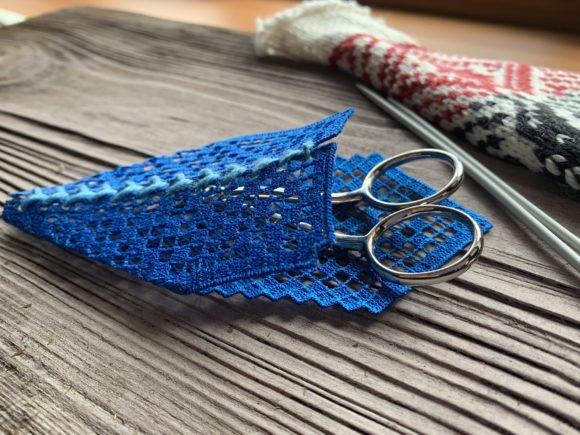
As a designer who spends more time at the hoop than away from it, I am always on the lookout for machine embroidery design files that offer more than just decorative flair. We need assets that solve problems, elevate a brand, and stand up to the scrutiny of a paying customer. Recently, I took a close look at the Scissor Case pattern, a file that immediately caught my eye with its unique aesthetic. Unlike the standard floral monograms or geometric fills that flood the market, this design mimics the delicate look of a crochet filet item. It is a charming nod to traditional handcrafts, translated into a digital embroidery file ready for modern machines.
The first impression of the Scissor Case is one of nostalgia and warmth. The layout suggests a vintage mood, perfect for projects that aim to feel handmade and heartfelt. Visually, it possesses a lightness that many dense fill patterns lack. This "filet" style implies an openwork structure, which can be incredibly striking when executed correctly on the right substrate. For those of us running a craft business or selling as an Etsy seller, finding a design that bridges the gap between old-world charm and machine efficiency is a goldmine. It feels less like a generic clipart conversion and more like a thoughtful piece of textile art.
Real-World Application: From File to Finished Product
To truly evaluate this Accessories category item, I imagined a specific real-life scenario. Picture a boutique owner preparing a holiday gift set for a loyal client who loves quilting and sewing. The goal is to create a coordinated set including a tote bag and a kitchen towel. Here is where the Scissor Case shines. Because the description notes that the pattern is quickly embroidered, it becomes an ideal candidate for production runs where time is money. You aren't waiting hours for a single unit to stitch out.
However, the "quick" nature of the stitch-out requires attention to the finishing process. The product notes mention that after embroidery, you need to fasten the edges with any beauty stitch or finishing technique. This is a crucial detail for a professional reviewer. In a commercial setting, you cannot simply cut the fabric and hope for the best. I would recommend pairing this design with a tight satin stitch border or a careful rolled hem to ensure durability. If used on a tote bag design meant for heavy use, the edges must be secured professionally to prevent fraying, maintaining the integrity of the finished product.
For custom apparel, imagine this design on the pocket of a linen apron or the cuff of a chef's coat. The visual personality of the Scissor Case suggests utility mixed with elegance. It tells a story about the user—someone who values their tools and takes pride in their craft. When a customer sees this level of detail, it builds trust. It signals that the maker cares about the nuances of the item, not just the bottom line. This kind of emotional connection is what drives repeat business for small shop products.
Navigating Fabric Choices and Stitching Challenges
While the aesthetic is lovely, practical application demands we discuss where this design might struggle. The filet or lace-like appearance relies heavily on contrast. If you attempt this embroidery project on a dark fabric with low-contrast thread, the intricate details may get lost. I strongly advise testing your thread colors against the fabric texture before committing to a full run. Light fabrics with slightly darker or tonal threads often yield the best results for this specific style, allowing the "crochet" illusion to pop.
Furthermore, consider the hoop size and the stability of your material. Delicate, open designs can sometimes cause lightweight fabrics to pucker if the stitch density pulls too hard, even if the overall count is low. Using a high-quality stabilizer is non-negotiable here. For stretchy fabrics like those used in sweatshirt embroidery or baby clothes, a cut-away stabilizer would provide the necessary support to keep the shape of the scissors crisp. On the other hand, for rigid items like a pillow cover or a structured cap, a tear-away might suffice, but always test on scrap fabric first.
One area requiring caution is the curved surfaces of caps or hats. The flat nature of a filet-style design might distort if the fabric curvature is too aggressive. If you are aiming for holiday embroidery gifts on beanies or baseball caps, ensure the design is scaled appropriately so the "scissors" do not look warped. Similarly, tiny details within the handle or blade areas could merge if the resolution of the digitizing isn't sharp or if the thread tension is too loose.
Enhancing Brand Value and Customer Appeal
In the world of commercial embroidery, perception is reality. The Scissor Case offers a unique value proposition: it looks like a labor-intensive hand-crocheted item but is produced with the speed and consistency of a machine. This duality allows you to charge a premium for a handmade product feel without the labor cost. For digital product sellers offering mockups, this design provides excellent visual interest. It photographs well, especially when styled with vintage props, making it a strong asset for printable mockup libraries.
When gifting, particularly as a personalized gift for a mom or grandmother, the sentimental value is high. The motif of scissors is universally recognized by crafters, making it a thoughtful, niche choice compared to generic hearts or flowers. It shows you know the recipient's hobbies. For an Etsy listing, highlighting the "vintage crochet look" in your description can attract buyers looking for that specific rustic-chic vibe. It differentiates your design assets from the sea of standard satin fill logos.
Final Designer Notes and Best Practices
Before integrating the Scissor Case into your inventory, there are a few housekeeping items to address. Since specific technical data like exact stitch counts or compatible embroidery file formats were not detailed in the initial overview, you must verify these with the vendor. Ensure the file format matches your machine (PES, DST, EXP, etc.) and that the hoop size fits your equipment capabilities.
- Test First: Always stitch a sample on the actual fabric you intend to sell. What looks good on cotton might behave differently on linen or canvas.
- Check Licensing: Confirm whether the license allows for unlimited commercial sales of finished physical goods. Some designers restrict the number of items you can sell.
- Edge Finishing: Develop a consistent method for fastening the edges. Whether you use a decorative zigzag, a satin border, or a fabric backing, consistency ensures professionalism.
- Contrast Check: View your design in black and white on your screen to ensure the shapes remain distinct without color reliance.
In conclusion, the Scissor Case is a versatile and evocative design that holds significant potential for creative entrepreneurs. It bridges the gap between traditional aesthetics and modern production efficiency. With careful attention to fabric selection, stabilization, and edge finishing, it can become a staple in your collection of Accessories and Embroidery offerings. It is not just a pattern; it is a tool for storytelling, perfect for creating meaningful connections with your customers through the universal language of craft.