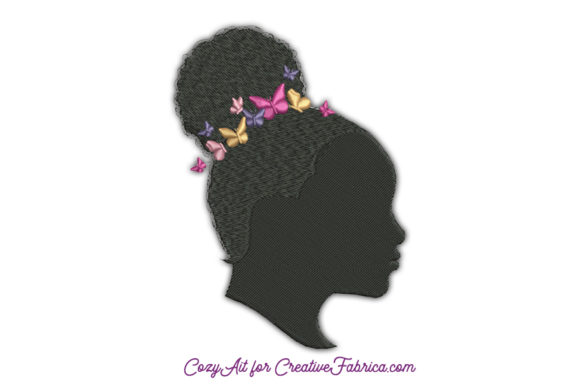
Review: Girl with Butterflies Embroidery Design
As an embroidery designer who has spent years testing files for real-world application, I approach every new machine embroidery design with a critical eye. It is not just about how the digital preview looks on a screen; it is about how that digital embroidery file translates into a tangible, cherished handmade product. Recently, I had the opportunity to test the "Girl with Butterflies" design, intended for the Boys category despite its whimsical nature, to see if it holds up for professional custom embroidery orders. My goal was to determine if this file is ready for a busy gift shop or an Etsy seller looking to expand their inventory.
First Impressions and Emotional Appeal
The moment I loaded the "Girl with Butterflies" into my software, I was struck by its simplicity and charm. In a market often saturated with overly complex, high-stitch-count designs, there is a refreshing elegance in a piece that knows when to stop. The mood is undeniably sweet and playful, evoking a sense of childhood wonder that fits perfectly for nursery decor or baby gifts. While the product categorization lists it under Boys, the universal theme of nature and innocence makes it incredibly versatile for any child's room.
The design relies on clean lines and a balanced composition. The main element, the head of the girl, is embroidered with a tatami fill. This choice is crucial for durability and visual impact. Tatami stitches provide a solid, smooth surface that catches the light beautifully, giving the finished piece a professional sheen. However, as I noted in my initial assessment, this specific fill technique demands respect regarding stabilization. A novice might overlook this, but for a small shop product intended for sale, perfection is non-negotiable.
Ideal Applications for Personalized Gifts
When planning a personalized gift line, versatility is key. The "Girl with Butterflies" shines across various substrates. For baby embroidery, this design would look adorable on a muslin swaddle blanket or a cotton onesie. The simplicity ensures that the delicate skin of an infant isn't irritated by bulky stitching, provided the backing is chosen wisely.
For those targeting the home decor market, this file is a strong contender for pillow cover embellishments. Imagine a neutral linen pillow in a nursery featuring this design in soft pastels; it instantly elevates the room's aesthetic. Furthermore, it serves as an excellent candidate for an embroidered towel. Whether it is a kitchen hand towel for a new homeowner or a bath towel for a child, the design's open spaces prevent the fabric from becoming too stiff.
I also see great potential for this design in the wedding sector. As a unique wedding gift for a couple expecting their first child, a custom tote bag or an apron featuring "Girl with Butterflies" adds a personal touch that mass-produced items simply cannot match. It tells a story of anticipation and love, making it a high-value item for commercial embroidery businesses.
Technical Considerations and Stabilization
The product description explicitly warns: "The main thing is to take care of good stabilization for the main element head, which is embroidered with tatami." This is the most critical takeaway from my review. Tatami fills are wide, zig-zagging stitches that can cause lightweight fabrics to pucker or distort if not properly supported.
If you are stitching this onto a stretchy baby garment or a textured waffle weave towel, you must use a robust cut-away stabilizer. Do not skimp here. The integrity of the girl's face depends on it. If the fabric shifts even slightly during the tatami fill, the facial features could become misaligned, ruining the finished product. For rigid fabrics like canvas tote bags or denim aprons, a heavy tear-away might suffice, but always run a test stitch first.
Another factor to consider is stitch density. While the design is described as simple, the density of the tatami fill must be appropriate for the fabric texture. On thick towels, the stitches might sink in, losing definition. On thin silks, they might pucker. I recommend adjusting your tension and potentially adding a topper if stitching on looped towels to ensure the edges of the butterflies and the girl's silhouette remain crisp.
Navigating Fabric Choices and Details
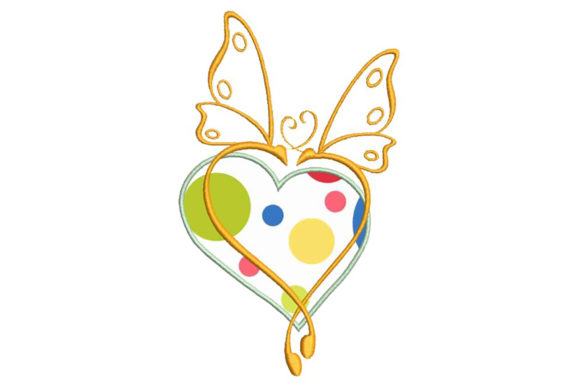
Working with "Girl with Butterflies" requires attention to detail, especially regarding thread colors. Since the design is simple, color contrast becomes the primary driver of visual interest. When stitching on dark fabric, ensure you are using high-quality rayon or polyester threads that offer vibrant saturation. Conversely, on white or cream fabrics, subtle shading in the thread colors can add depth to the butterflies' wings.
Caution is advised when placing this design on curved surfaces or items with seams nearby. The hoop size required for this design seems manageable for standard hoops, but you must confirm the specific dimensions in the file details before purchasing. Always check small details after stitching, such as the tips of the butterfly wings and the outline of the hair, to ensure there are no thread breaks or bird nests.
Additionally, consider the end-use of the item. If this is for a product that needs frequent washing, like a bib or a burp cloth, the tatami fill should hold up well due to its interlocking nature. However, verify that the underlay is sufficient to prevent the edges from fraying over time.
Enhancing Perceived Value and Customer Trust
From a business perspective, the "Girl with Butterflies" design offers a high return on investment regarding perceived value. Its clean, uncluttered look screams "high-end handmade" rather than "cheap promotional item." For an Etsy seller, this distinction is vital. Customers are willing to pay a premium for items that look thoughtfully crafted.
The emotional connection fostered by this design is strong. It appeals to parents and gift-givers who want something gentle and meaningful. When photographed correctly, perhaps styled with natural elements like dried flowers or wooden toys, this design can significantly boost buyer engagement. Creating a printable mockup or high-quality photos of the stitched sample on different fabrics can help customers visualize the final result, increasing conversion rates.
Final Verdict and Practical Steps
In conclusion, "Girl with Butterflies" is a delightful addition to any embroidery library, particularly for those specializing in children's items and personalized keepsakes. Its simplicity makes it accessible for novices, yet its execution requires the skill of a pro to ensure the tatami fill sits perfectly.
Before adding this to your catalog of Embroidery products, follow these practical steps:
- Test on scrap fabric: Always stitch a sample on the exact material you intend to sell.
- Check thread color contrast: Ensure the design pops against both light and dark backgrounds.
- Confirm hoop size: Verify the file fits your machine's hoop capabilities.
- Review stitch density: Adjust settings if the fabric is unusually thick or thin.
- Use proper stabilizer: Prioritize cut-away options for stretchy fabrics to support the tatami head.
- Compare mockups: Create visuals for both light and dark fabric options for your store.
- Inspect small details: Check the fine points of the butterflies and hair after stitching.
- Confirm licensing: Ensure you have the rights for commercial embroidery before selling finished goods.
By paying attention to these details, specifically the stabilization of the main element, you can transform this simple embroidery file into a best-selling personalized gift that brings joy to families and credibility to your brand.