Review: A Singer Giving Performance Applique Design
As a designer who spends more time staring at stitch maps than most people spend watching television, I approach every new machine embroidery design with a mix of curiosity and skepticism. We have all downloaded files that looked perfect on the screen but turned into a bird's nest of thread breaks and puckering on the hoop. That is why I took a close look at A Singer Giving Performance Applique before committing it to any client work or personal projects. This isn't just about whether the image is cute; it is about whether the underlying architecture of the embroidery file can withstand the rigors of real-world production.
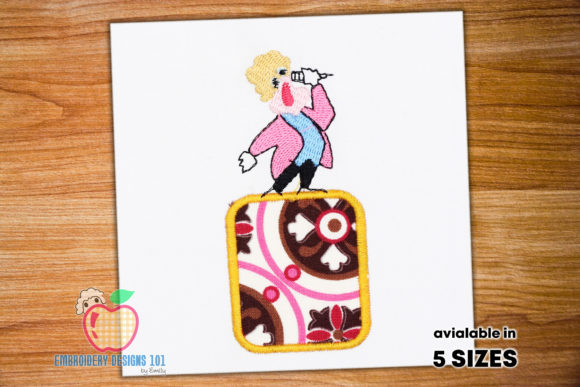
The first thing that strikes you about this design is its mood. It captures a moment of joy and expression, which is exactly what you want when creating a handmade product meant to bring a smile. The character is stylized yet recognizable, striking that difficult balance between simplicity and detail that makes for a successful applique design. Unlike some overly complex digital files that try to do too much with tiny running stitch details, this one seems to understand the limitations of the needle. The layout suggests a strong focal point, ideal for drawing the eye on a tote bag design or the chest of a sweatshirt embroidery project.
Real-World Application: The Boutique Sweatshirt Test
To truly evaluate A Singer Giving Performance Applique, I imagined a specific scenario that many Etsy sellers and craft business owners face daily: a custom order for a local choir or music teacher. The client wants a batch of fleece sweatshirts that feel professional but retain a handmade charm. This is where the design shines. Because it utilizes an applique technique, it adds texture and dimension without relying solely on dense fill stitch areas that can make heavy fabrics like fleece feel stiff and uncomfortable.
In this context, the design acts as a brand builder. When a customer sees a well-executed singer motif on a garment, it signals quality. It moves the item from being a generic piece of clothing to a personalized gift or a piece of custom apparel with value. For a small shop product, this kind of visual appeal is crucial. It tells the buyer that thought went into the creation. Whether you are making holiday embroidery gifts for family or producing inventory for a boutique, the clarity of the shapes in this design ensures that the finished product looks crisp from across the room and holds up under close inspection.
Navigating Fabric Challenges and Stitch Density
However, no design is universal, and practical judgment requires knowing where to be careful. With A Singer Giving Performance Applique, the primary consideration is your choice of fabric and stabilizer. Applique works beautifully on stable woven fabrics like cotton twill or linen, which are common for embroidered patch creations or home decor items like pillow covers. But if you are planning to use this on stretchy knits for baby embroidery projects, you need to be vigilant.
The transition between the fabric applique piece and the surrounding satin stitch border is critical. On textured fabrics or dark materials, poor tension can cause the edges to lift or the background fabric to peek through. I recommend testing the design on scrap fabric that matches your final material exactly. Check the stitch density settings in your software if you have the ability to edit the digital embroidery file. If the satin columns are too wide for the curve of the singer's microphone or hat, you might experience gaps. Conversely, if they are too dense on a thin fabric, you risk puckering.
Curved surfaces present another challenge. If you intend to place this on a cap, the structural integrity of the design becomes paramount. The center of the design must align perfectly with the crown of the hat. Because this is an applique, there are multiple stop points where the machine pauses for you to place the fabric patch. On a curved surface, ensuring that patch lies flat before the tacking stitches begin is essential to avoid wrinkles in the final finished product.
Enhancing Brand Consistency and Customer Trust
For commercial embroidery professionals, consistency is the currency of trust. Using a reliable design like A Singer Giving Performance Applique helps maintain a standard of quality across different orders. When customers receive a product where the stitching is clean, the colors are vibrant, and the theme is cohesive, their confidence in your brand grows. This design supports that by offering a clear, legible silhouette that translates well into printable mockup images for your online store.
Visual personality matters. In a sea of generic clipart converted into stitches, a design with character stands out. This singer motif adds a layer of storytelling to your design assets. It suggests performance, talent, and joy. When used in a series—for example, pairing it with other music-themed motifs—it can create a collectible line of products that encourages repeat buyers. For creative entrepreneurs, this kind of thematic consistency is key to building a recognizable shop identity.
Practical Notes for the Working Designer
Before you run this design on a final client item, here are a few technical checks to perform. First, verify the hoop size requirements. While the description mentions multiple files, always confirm that the largest version fits within your machine's maximum hoop, especially if you are working with bulky items like jackets. Second, pay attention to thread colors. The contrast between the applique fabric and the stitching thread defines the image. Test high-contrast combinations (like a dark singer on a light background) alongside tonal ones to see which offers better definition on your specific material.
It is also wise to review the licensing terms provided with the download. The product description notes that the file comes with multiple formats, which is excellent for compatibility, but you must confirm whether the license allows for unlimited small shop product sales or if there are restrictions on the number of physical items you can produce. Never assume a license covers commercial use without reading the fine print.
Finally, consider the washability of the final item. Applique edges, even when covered with satin stitch, can be vulnerable if not secured properly. For items like kitchen towels or baby embroidery pieces that will undergo frequent laundering, ensure the tacking stitches are robust. A quick pre-wash test on a sample piece can save you from a ruined batch of inventory later.
In the world of Work and Embroidery, tools are only as good as the results they produce. A Singer Giving Performance Applique appears to be a solid contender for designers looking to add character to their projects without sacrificing professional quality. By respecting the technical nuances of applique work and choosing the right materials, you can turn this digital file into a tangible asset that delights customers and elevates your portfolio.