Hungry Baby Bluebirds: A Designer's Review for Business Merch
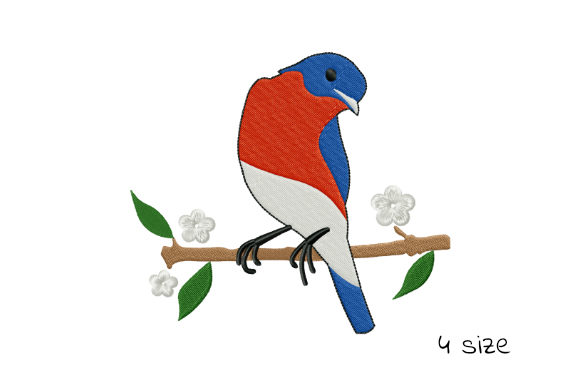
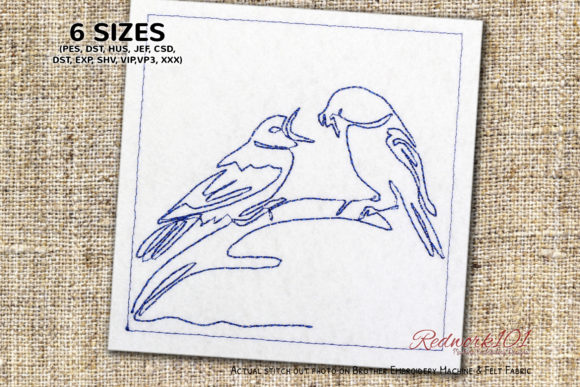
As an embroidery designer who spends countless hours digitizing and reviewing files for commercial use, I know that a cute image does not always translate into a viable brand identity asset. When I first opened the Hungry Baby Bluebirds machine embroidery design, my immediate reaction was one of warmth and approachability. This is not a corporate, stiff logo; it is a character-driven piece that screams friendliness. For small business owners in the café, bakery, florist, or pet care sectors, this level of visual personality is gold. It suggests a handmade product feel that resonates deeply with modern consumers who value authenticity over mass production.
The visual style of these Birds leans heavily into the rustic and playful aesthetic. The description notes that the "Box Stitch" shown in promotional imagery is optional, which is a critical detail for professional application. In many commercial contexts, a bounding box can make a design look like a temporary patch rather than an integrated part of the garment. The ability to skip this outer border allows the bluebirds to stand alone as a clean, organic mark. This flexibility is essential when adapting the file for different surfaces, from the curved front of a cap to the flat canvas of a tote bag.
Real-World Application for Small Business Merch
Let's talk about where Hungry Baby Bluebirds actually shines in a retail environment. I envision this design working exceptionally well as an embroidered patch for local coffee shops. Imagine a barista wearing a denim apron with these bluebirds stitched near the pocket; it instantly softens the uniform and creates a conversation starter for customers. Because the subject matter is nature-inspired, it fits perfectly with eco-friendly brands, garden centers, or organic food markets.
For custom apparel lines, particularly those sold on Etsy or at craft fairs, this design serves as a strong focal point. It works beautifully as a chest logo accent on hoodies or as a sleeve detail on work shirts. The charm of the baby birds adds value to the finished product, allowing retailers to charge a premium for what feels like a bespoke item rather than a blank garment with a generic print. Furthermore, for businesses that offer customer gifts, such as a bakery including a branded towel with a purchase, this digital embroidery file provides the perfect touch of whimsy without overwhelming the item.
The versatility extends to tote bag design as well. Tote bags are a staple for boutique merchandise, and a high-quality embroidery mark elevates the bag from a simple carrier to a fashion statement. The bluebirds, with their implied narrative of hunger and growth, could subtly reinforce a brand message about nurturing community or providing sustenance, making the merchandising efforts feel cohesive and thoughtful.
Technical Considerations for Production
While the aesthetic appeal is high, a professional review must address the technical realities of commercial embroidery. The description mentions that the color of the outer box varies unless it is part of the design itself. This indicates that the file likely uses multiple thread colors. When scaling this design down for small applications, such as a left-chest logo on a polo shirt or a small tag on a hat, stitch density becomes a major concern. High density in small areas can lead to puckering, especially on lightweight fabrics.
I strongly advise testing this design on your specific fabric texture before running a full production batch. If you are applying this to a textured pique polo or a thick twill cap, the interaction between the thread and the fabric grain can alter the final look. For cap embroidery, the curvature of the front panel requires careful hooping and potentially a different stabilizer than you would use for flat goods. A heavy-duty cutaway stabilizer is often necessary to prevent the design from sinking into the fabric over time, ensuring the bluebirds remain crisp and defined.
Another crucial factor is the legibility of details at smaller sizes. Baby birds often imply small beaks and eyes. If the embroidery file is reduced too much, these fine details may merge into a solid blob of thread. I recommend creating a printable mockup at the intended size first to check for clarity. If the details are too fine, you may need to request a simplified version from the digitizer or reserve this design for larger applications like back patches or tote bags where the stitch count can breathe.
Impact on Brand Identity and Customer Trust
In the current market, small business merch is often the primary way a brand communicates its values. Using a design like Hungry Baby Bluebirds signals that a business is approachable, caring, and attentive to detail. It moves away from the cold, sterile look of corporate branding and invites the customer into a story. This emotional connection fosters trust. When a customer sees a well-executed embroidered bird on an apron or a product label, they subconsciously associate that quality with the service or product they are buying.
Consistency is key to building recognition. If your brand uses earth tones and natural motifs, these bluebirds fit seamlessly into your existing design assets. However, if your brand is ultra-modern and minimalist, this playful design might clash. It is vital to compare this file beside your other logos and graphics to ensure visual consistency across all touchpoints. A mismatched aesthetic can confuse customers and dilute brand equity.
Essential Designer Notes for Buyers
Before committing to a large run of apron embroidery or staff uniforms, there are several practical steps every buyer should take. First, test the design in black and white or a monochromatic scheme. This helps you evaluate the contrast and shape without the distraction of color. Does the silhouette of the birds hold up? If the design relies entirely on color changes to define the shapes, it may not be versatile enough for single-color uniform requirements.
Second, verify the hoop size requirements. While the exact dimensions are not listed in the brief description, knowing the minimum hoop size is non-negotiable for planning your production workflow. Ensure your machine can accommodate the frame needed for the largest version of the design if you plan to offer multiple sizing options.
Third, pay close attention to the licensing terms. The description hints at optional elements like the box stitch, but it does not explicitly state the commercial license scope. Always confirm that the digital embroidery file includes rights for unlimited commercial use, especially if you intend to sell items featuring this design rather than just using them for internal staff uniforms. Unauthorized use can lead to significant legal issues for small businesses.
Finally, consider the washing durability. Items like aprons and work shirts undergo frequent laundering. Ensure that the thread colors chosen for the bluebirds are colorfast and that the stitching technique used (likely satin or fill stitches) can withstand industrial washing without fraying. A faded or frayed logo reflects poorly on the professionalism of the business.
In conclusion, Hungry Baby Bluebirds is a charming and versatile asset for the right type of business. It excels in environments that value a handmade, friendly, and rustic aesthetic. With proper technical preparation regarding stabilizer, sizing, and fabric selection, it can become a cornerstone of a brand's merchandise strategy, driving engagement and adding tangible value to everyday items. Just remember to validate the technical specs and licensing before the needle hits the fabric.