Funny Cartoon Octopus Machine Design Review for Craft Fairs
As an embroidery designer who has spent countless weekends behind a bustling craft fair booth, I know that the difference between a browsing customer and a buyer often comes down to split-second visual appeal. When I pulled up the Funny Cartoon Octopus Machine design file on my screen this morning, my first thought wasn't about stitch counts or thread charts; it was about whether this little guy would stop someone in their tracks at my table. In the world of handmade product sales, personality is currency, and this design seems to have it in spades.
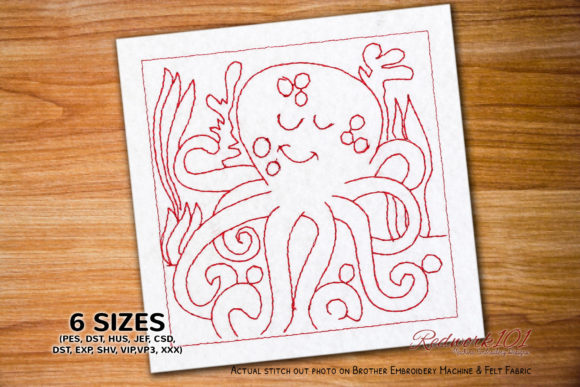
The initial impression of this machine embroidery design is undeniably cute and approachable. Described as a "funny and cute redwork embroidery," it immediately signals a playful, slightly retro vibe that fits perfectly with current trends in farmhouse and whimsical decor. Redwork, traditionally using a single color of thread, offers a clean, minimalist aesthetic that reads well from a distance. For a craft fair product, clarity is key. Customers walking down an aisle need to understand what they are looking at within two seconds. This octopus, with its likely bold outlines and expressive features, checks that box immediately. It feels less like a stiff corporate logo and more like a character you want to take home.
Visual Impact on Market Products
When planning my booth display, I am always thinking about versatility. Where does the Funny Cartoon Octopus Machine shine brightest? Based on the description noting it makes a "great embellishment for a variety of fabrics," I see immediate potential for high-margin items. A white canvas tote bag design featuring this octopus in a vibrant red or perhaps a contrasting navy would be a standout seller. Tote bags are the bread and butter of many embroidery businesses, and a character-driven design adds significant perceived value over a generic monogram.
Beyond bags, this design screams potential for kitchen linens. Tea towel embroidery is a massive category for handmade sellers. The simplicity of redwork works exceptionally well on textured waffle weaves or smooth flour sack towels. Because the design is described as having an optional "Box Stitch," this offers incredible flexibility. I can choose to frame the octopus for a more structured, patch-like look on an apron embroidery project, or leave it unboxed for a softer, floating appearance on a pillow cover. This adaptability allows me to create a cohesive collection of small shop product offerings without needing to buy ten different files.
For those looking to expand into wearable goods, this design could translate well to caps, provided the hoop size accommodates the curve of the front panel. However, the real winner here might be the embroidered patch. If I run this design on a twill backing with a merrowed edge, it becomes a standalone accessory that appeals to a younger demographic. Patches are low-cost to produce in batches and high-value when sold as add-ons at the checkout counter.
Production Practicality and Batch Efficiency
From a production standpoint, the description hints at efficiency. Redwork designs generally have lower stitch density compared to full-fill satins, which means less thread consumption and faster run times. For a business owner preparing for a weekend market, speed is essential. Being able to hoop up five tote bag design blanks and let the machine run while I manage customers is a huge operational advantage. The mention that "The Box Stitch shown in the picture is optional" suggests the digitizer has created separate layers or files, allowing me to toggle elements based on the specific finished product I am creating.
However, practical judgment requires caution. While the design sounds simple, I would never skip the testing phase. Before committing to a bulk order of aprons, I must test the design on scrap fabric that matches my actual inventory. Does the red thread pop against the specific shade of cream linen I use? How does the fabric texture affect the clarity of the octopus's eyes or tentacles? Small details can get lost if the fabric is too fuzzy or if the stabilizer isn't robust enough to prevent puckering. Since the description mentions the outer box color varies in most images, I need to be deliberate in my thread selection to ensure consistency across my brand.
Selling Strategy and Online Presentation
For the Etsy seller or digital creator, the visual appeal of the Funny Cartoon Octopus Machine extends beyond the physical booth. This design photographs beautifully. High-contrast redwork creates striking images for social media and printable mockup listings. When creating design assets for an online store, the clean lines of this octopus allow for crisp thumbnails that stand out in a crowded search feed. The "Marine Mammals" category tag helps with SEO, but the emotional connection of the "funny" aspect is what drives the click.
Customer attention is often captured by humor and charm. In a sea of floral patterns and intricate mandalas, a goofy octopus offers a moment of levity. This enhances buyer engagement; people smile, pick up the item, and imagine it in their own kitchen or on their child's backpack. That emotional reaction is the precursor to a sale. Furthermore, because the design is versatile, it supports brand consistency. I can use this same character on packaging tags, stickers, and even my booth signage, creating a recognizable theme that customers remember.
Critical Designer Notes and Final Verdict
Before listing this as a commercial embroidery product, there are technical boxes to check. First, verify the hoop size requirements. Even if a design looks small on screen, some digitizers include large jump stitches or framing boxes that require a larger hoop than expected. Second, review the thread colors recommended in the file properties versus the preview image. If the "outer box" changes color in different previews, ensure your software interprets the color stops correctly to avoid unwanted surprises during stitching.
Special care should be taken with small lettering if any is included near the octopus, as redwork can sometimes lack the definition needed for tiny text at smaller scales. Additionally, when stitching on curved surfaces like caps or thick textures like looped towels, ensure the underlay is sufficient to anchor the design. Always confirm the licensing terms of the digital embroidery file. Just because a design is cute doesn't mean it is free for unlimited commercial use; ensure you have the right to sell the finished product to avoid legal headaches down the road.
In conclusion, the Funny Cartoon Octopus Machine design appears to be a strong contender for any handmade vendor's lineup. Its blend of whimsical character, production efficiency, and versatile application makes it ideal for tote bags, tea towels, and patches. By paying attention to fabric contrast, stabilizer choice, and licensing details, this design can transform from a simple file into a best-selling staple of your craft fair inventory. It is a reminder that sometimes, the simplest designs with the most personality are the ones that fill the cash box.